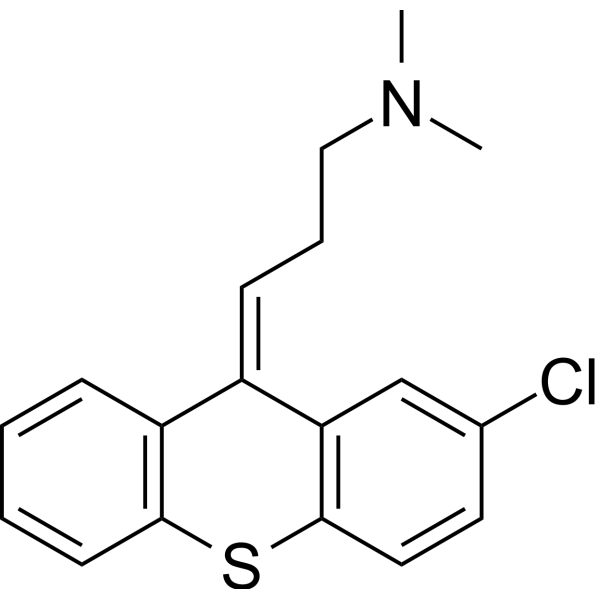
D3 Receptor
Dopamine D3 receptor (DRD3) is a member of the D2-like dopamine receptor family and functions as a G protein-coupled receptor that is highly enriched in limbic brain regions involved in cognition, motivation, emotion, and reward processing[1][2]. Mechanistically, DRD3 primarily couples to inhibitory G proteins and suppresses adenylyl cyclase activity, thereby regulating intracellular cAMP-dependent signaling pathways that influence neuronal responsiveness and dopaminergic neurotransmission[1][3][4]. Through this signaling framework, DRD3 contributes to neural circuit functions associated with neuropsychiatric and neurological disorders, and extensive research has examined its role in addiction, schizophrenia, and other dopamine-related disease models[5][6]. Compared with related D2-like receptor isoforms, DRD3 exhibits a distinct anatomical distribution and pharmacological profile, making it an attractive target for subtype-selective investigations aimed at separating therapeutic effects from broader dopamine receptor activity[2][5]. Experimental studies further indicate that DRD3 can participate in receptor-receptor interactions, including functional heteromerization with D2 receptors, which may alter downstream signaling properties and receptor pharmacology[7]. For research applications, selective DRD3 agonists, partial agonists, and antagonists have been developed as molecular probes to investigate receptor-specific mechanisms and to evaluate potential therapeutic strategies in preclinical models of neuropsychiatric disease and substance use disorders[5][8].
References:
- [1]. Sokoloff P, et al. Molecular cloning and characterization of a novel dopamine receptor (D3) as a target for neuroleptics. Nature. 1990 Sep 13;347(6289):146-51. [Content Brief]
- [2]. Kiss B, et al. Neuronal Dopamine D3 Receptors: Translational Implications for Preclinical Research and CNS Disorders. Biomolecules. 2021 Jan 14;11(1):104. [Content Brief]
- [3]. Robinson SW, et al. Selective inhibition of adenylyl cyclase type V by the dopamine D3 receptor. Mol Pharmacol. 1997 Sep;52(3):508-14. [Content Brief]
- [4]. D 3 Receptor gene information from NCBI.
- [5]. Luedtkea RR, et al. Progress in developing D3 dopamine receptor ligands as potential therapeutic agents for neurological and neuropsychiatric disorders. Curr Pharm Des. 2003;9(8):643-71. [Content Brief]
- [6]. Martel JC, et al. Dopamine Receptor Subtypes, Physiology and Pharmacology: New Ligands and Concepts in Schizophrenia. Front Pharmacol. 2020 Jul 14;11:1003. [Content Brief]
- [7]. Scarselli M, et al. D2/D3 dopamine receptor heterodimers exhibit unique functional properties[J]. Journal of Biological Chemistry, 2001, 276(32): 30308-30314.
- [8]. Newman AH, et al. Dopamine D3 receptor partial agonists and antagonists as potential drug abuse therapeutic agents. J Med Chem. 2005 Jun 2;48(11):3663-79. [Content Brief]
-
D3 Receptor Related Products (167)
Related Products (167)

-
Aripiprazole
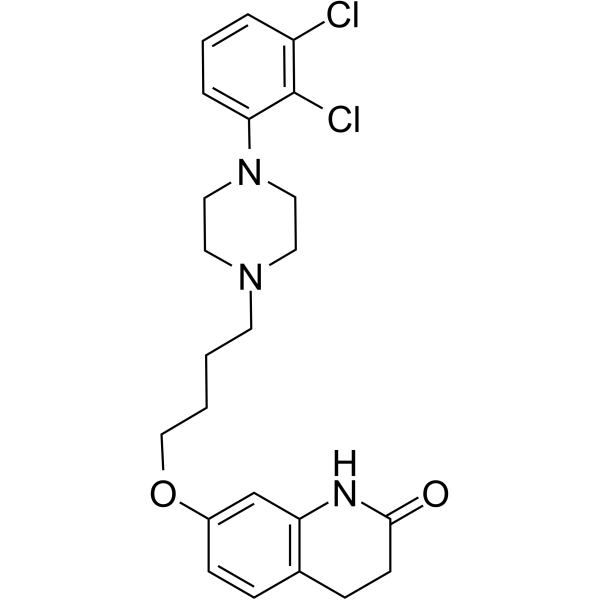 0 ImagesSynonyms: OPC-14597Aripiprazole (OPC-14597), an atypical antipsychotic, is a potent and high-affinity dopamine D2 receptor partial agonist. Aripiprazole is an inverse agonist at 5-HT2B and 5-HT2A receptors and displays partial agonist actions at 5-HT1A, 5-HT2C, D3, and D4 receptors. Aripiprazole can be used for the research of schizophrenia and COVID19.
-
Sulpiride
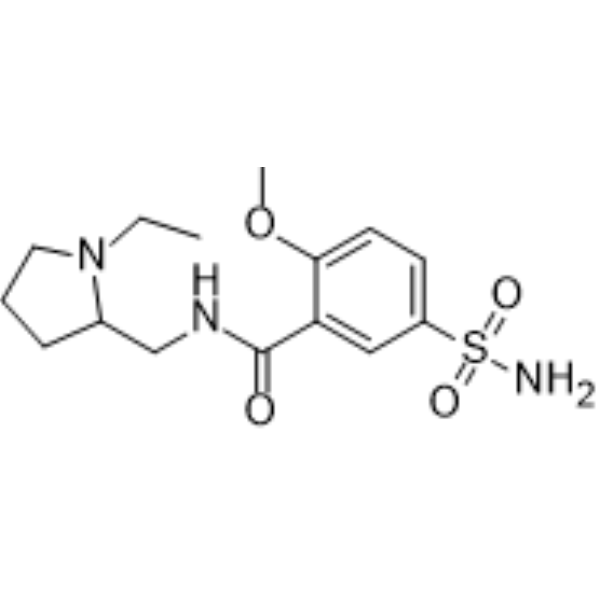 0 ImagesSulpiride is an orally active dopamine D2/D3 receptor antagonist. Sulpiride is an atypical antipsychotic agent of the benzamide family. Sulpiride can be used in research into anxiety, depression and breast cancer.
-
Raclopride
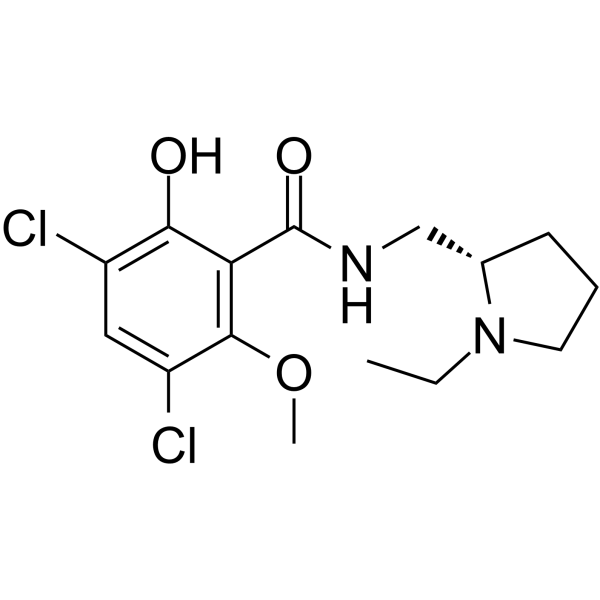 0 ImagesRaclopride is a dopamine D2/D3 receptor antagonist with potential antipsychotic effects. Raclopride binds to D2 and D3 receptors with Kis of 1.8 nM and 3.5 nM, respectively.
-
Cabergoline
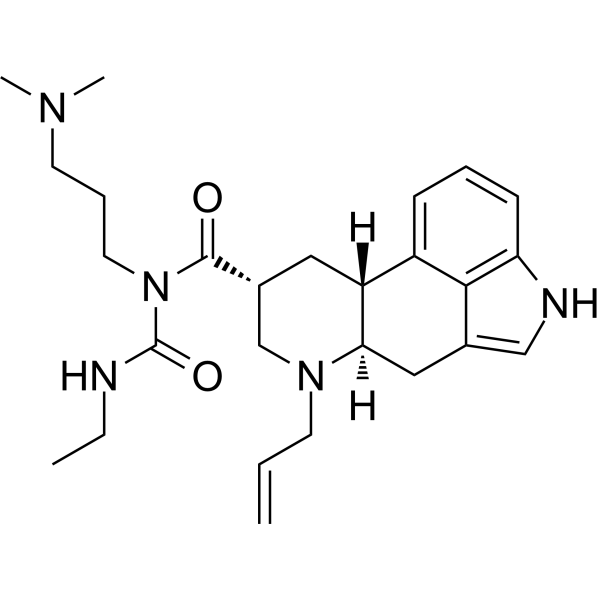 0 ImagesSynonyms: FCE-21336Cabergoline is an ergot derived-dopamine D2-like receptor agonist that has high affinity for D2, D3, and 5-HT2B receptors (Ki=0.7, 1.5, and 1.2, respectively).
-
Cariprazine
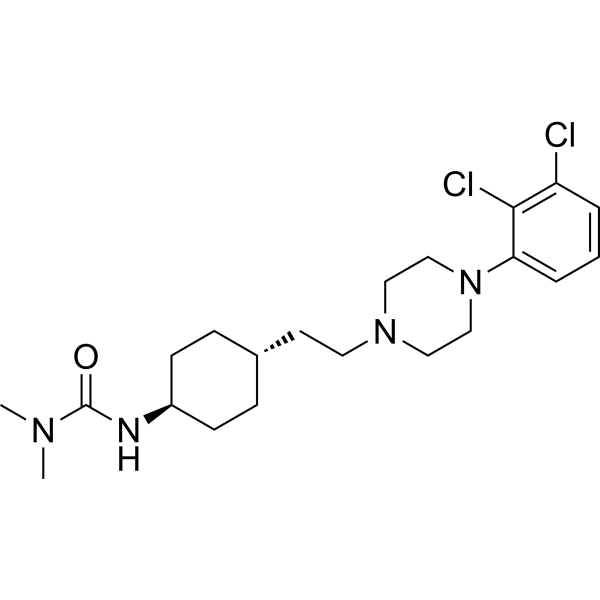 0 ImagesSynonyms: RGH-188Cariprazine is a novel antipsychotic agent candidate that exhibits high affinity for the D3 (Ki=0.085 nM) and D2 (Ki=0.49 nM) receptors, and moderate affinity for the 5-HT1A receptor (Ki=2.6 nM).
-
Hordenine
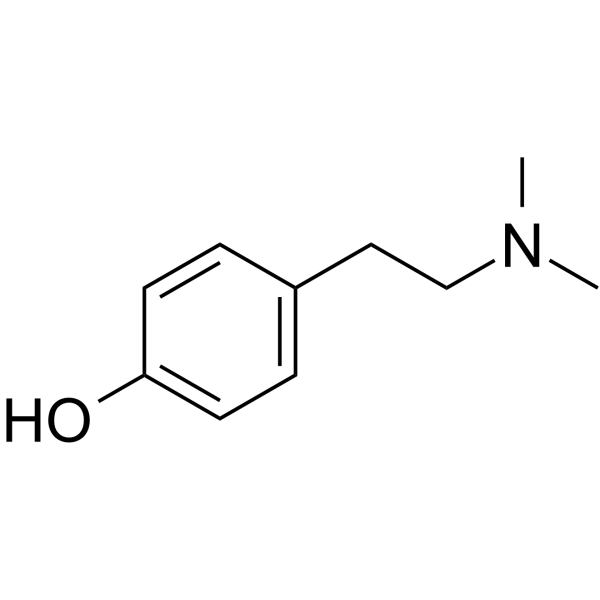 0 ImagesHordenine (Ordenina; Peyocactine) is a multifunctional alkaloid with oral activity and blood-brain barrier penetration. Hordenine inhibits LPS-induced phosphorylation of p38, JNK, ERK1/2, p65, IκB, and AKT, prevents p65 nuclear translocation, and suppresses inflammatory cytokines and mediators. Hordenine promotes M2 macrophage polarization, restores blood-milk barrier integrity, alleviates oxidative stress by reducing ROS and MDA, and attenuates LPS-induced lung injury and pulmonary edema. Hordenine inhibits cAMP production, CREB phosphorylation, and MITF expression, thereby suppressing melanin synthesis in melanocytes and reconstructed epidermis. Hordenine activates the Wnt/β-catenin signaling pathway, promotes dermal papilla cell proliferation and hair shaft elongation, and accelerates hair regeneration. Hordenine activates DRD2, acts as a D3R partial agonist, α2A-AR full agonist, and 5-HT2A-R antagonist, and inhibits SERT and DAT. Hordenine inhibits α-synuclein accumulation and ameliorates motor deficits in Parkinson's disease models. Hordenine limits alcohol intake, reduces relapse drinking behavior, and modulates alcohol-induced conditioned place preference. Hordenine can be used for research on mastitis, skin pigmentation, acute lung injury, foodborne diseases, hair loss, Parkinson's disease, bacterial infections, and alcohol use disorder.
-
Hordenine-d6 hydrochloride
 0 ImagesCat. No.: HY-N0113BSSynonyms: Ordenina-d6 hydrochloride; Peyocactine-d6 hydrochlorideHordenine-d6 hydrochloride (Ordenina-d6 hydrochloride; Peyocactine-d6 hydrochloride) is the deuterated-labeled Hordenine hydrochloride (HY-N0113B). Hordenine hydrochloride (Ordenina hydrochloride; Peyocactine hydrochloride) is a multifunctional alkaloid with oral activity and blood-brain barrier penetration. Hordenine hydrochloride inhibits LPS-induced phosphorylation of p38, JNK, ERK1/2, p65, IκB, and AKT, prevents p65 nuclear translocation, and suppresses inflammatory cytokines and mediators. Hordenine hydrochloride inhibits melanin synthesis in melanocytes and reconstructed epidermis. Hordenine hydrochloride activates the Wnt/β-catenin signaling pathway. Hordenine hydrochloride activates DRD2, acts as a D3R partial agonist, α2A-AR full agonist, and 5-HT2A-R antagonist, and inhibits SERT and DAT. Hordenine hydrochloride inhibits α-synuclein accumulation and ameliorates motor deficits in Parkinson's disease models. Hordenine hydrochloride limits alcohol intake, reduces relapse drinking behavior. Hordenine hydrochloride can be used for research on mastitis, skin pigmentation, acute lung injury, foodborne diseases, hair loss, Parkinson's disease, bacterial infections, and alcohol use disorder.
-
AB13-73A
 0 ImagesCat. No.: HY-184591AB13-73A is a highly selective partial agonist of dopamine D3R, with a Ki of 0.803 nM and a pEC50 of 11.88 (1.32 pM). AB13-73A serves as a pharmacological tool to dissect the (patho) physiological mechanisms of D3R and support the development of improved neurotherapeutic agents.
-
Rotigotine
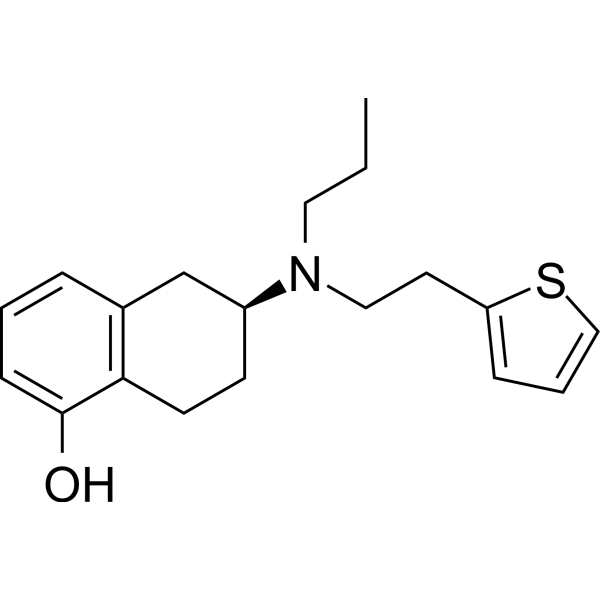 0 ImagesSynonyms: N-0923; (-)-N 0437Rotigotine is a potent dopamine receptor agonist with Ki values of 0.71 nM, 4-15 nM, and 83 nM for the dopamine D3 receptor and D2, D5, D4 receptors and dopamine D1 receptor. Rotigotine a partial agonist of the 5-HT1A receptor, and an antagonist of the α2B-adrenergic receptor. Rotigotine can be used for parkinson's disease (PD) research.
-
Ropinirole hydrochloride
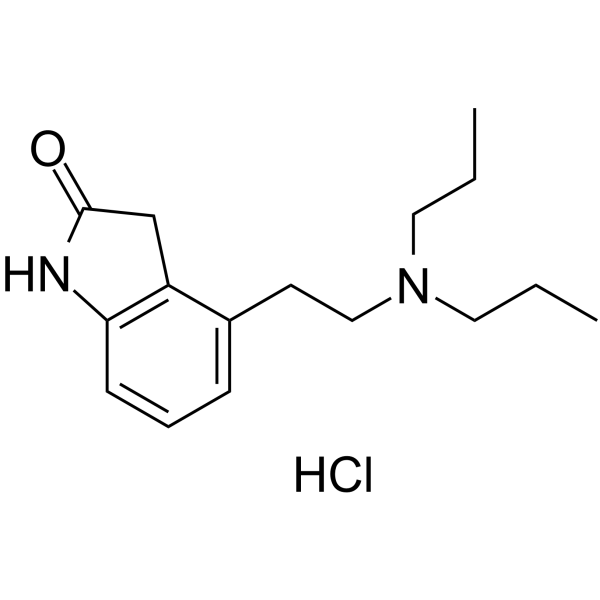 0 ImagesSynonyms: SKF 101468 hydrochlorideRopinirole (SKF 101468) hydrochloride is an orally active, potent D3/D2 receptor agonist with a Ki of 29 nM for D2 receptor. Ropinirole hydrochloride has pEC50s of 7.4, 8.4 and 6.8 for hD2, hD3 and hD4 receptors, respectively. Ropinirole hydrochloride has no affinity for the D1 receptors. Ropinirole hydrochloride has the potential for Parkinson's disease.
-
Perphenazine
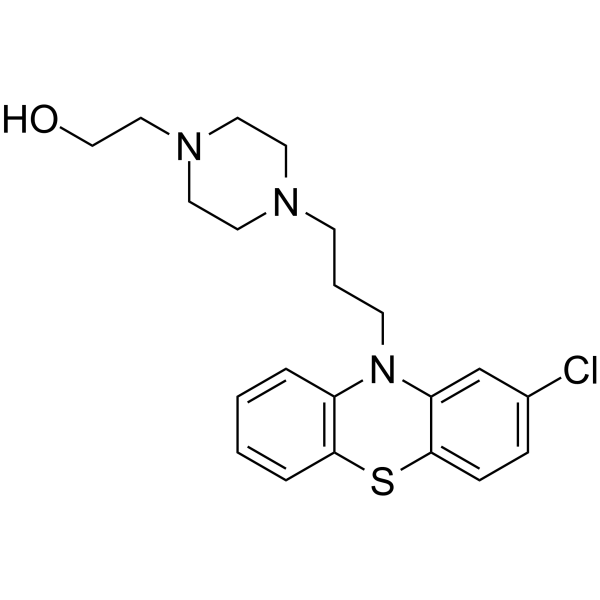 0 ImagesPerphenazine is an orally active dopamine receptor and histamine-1 receptor antagonist, with Ki values of 0.56 nM (D2), 0.43 nM (D3), 6 nM (5-HT2A), respectively. Perphenazine also binds to Alpha-1A adrenergic receptor. Perphenazine inhibits cancer cell proliferation, and induces apoptosis. Perphenazine can be used in the research of mental disease, cancer, inflammation.
-
Rotigotine Hydrochloride
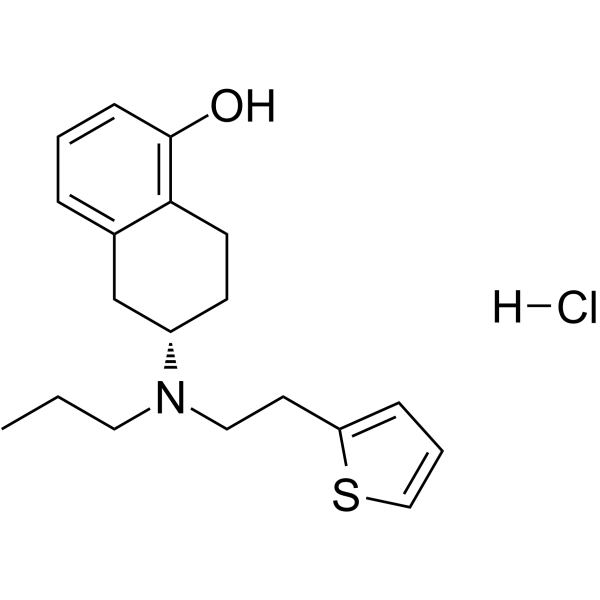 0 ImagesSynonyms: N-0923 HydrochlorideRotigotine Hydrochloride (N-0923 Hydrochloride) is a full agonist of dopamine receptor, a partial agonist of the 5-HT1A receptor, and an antagonist of the α2B-adrenergic receptor, with Ki of 0.71 nM, 4-15 nM, and 83 nM for the dopamine D3 receptor and D2, D5, D4 receptors, and dopamine D1 receptor.
-
Pramipexole dihydrochloride
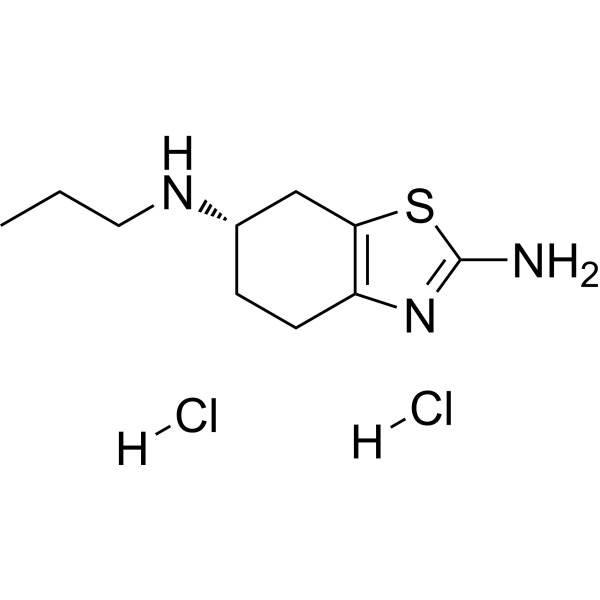 0 ImagesPramipexole dihydrochloride is a selective and blood-brain barrier (BBB) penetrant dopamine D2-type receptor agonist, with Kis of 2.2 nM, 3.9 nM, 0.5 nM and 1.3 nM for D2-type receptor, D2, D3 and D4 receptors, respectively. Pramipexole dihydrochloride can be used for the research of Parkinson's disease (PD) and restless legs syndrome (RLS).
-
Amisulpride
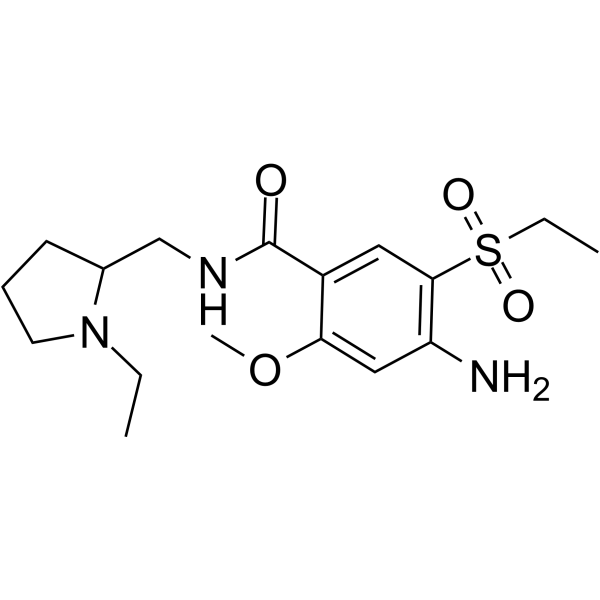 0 ImagesSynonyms: (Rac)-Aramisulpride; (Rac)-Esamisulpride; DAN 2163Amisulpride ((Rac)-Aramisulpride) is a racemic (50:50) mixture of the R-Amisulpride (HY-109167) and S-Amisulpride (HY-126068). Amisulpride is a dopamine D2/D3 receptor antagonist with Ki values of 2.8 and 3.2 nM for human dopamine b>D2 and b>D3, respectively. Amisulpride is a 5-HT7 receptor antagonist with a Ki of 44 nM. Amisulpride can be used in psychiatric research.
-
Cariprazine hydrochloride
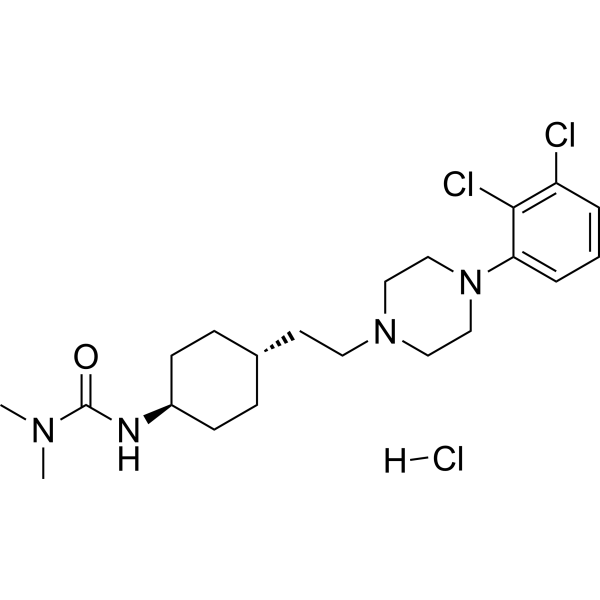 0 ImagesSynonyms: RGH188 hydrochlorideCariprazine hydrochloride is a novel antipsychotic agent candidate that exhibits high affinity for the D3 (Ki=0.085 nM) and D2 (Ki=0.49 nM) receptors, and moderate affinity for the 5-HT1A receptor (Ki=2.6 nM).
-
Pramipexole
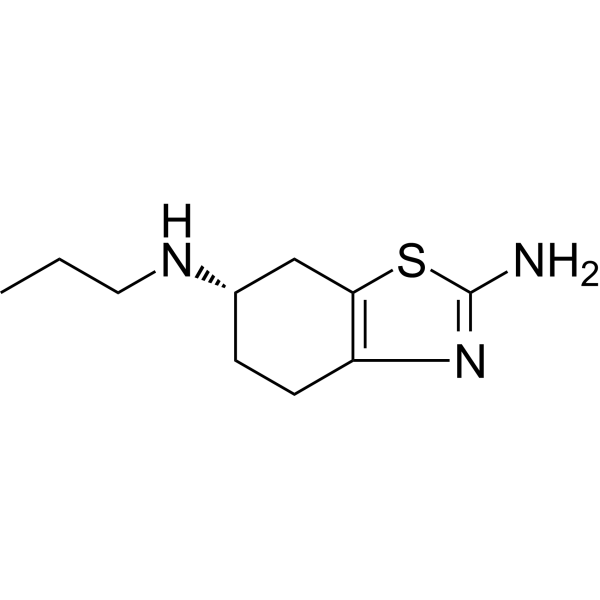 0 ImagesPramipexole is a selective and blood-brain barrier (BBB) penetrant dopamine D2-type receptor agonist, with Kis of 2.2 nM, 3.9 nM, 0.5 nM and 1.3 nM for D2-type receptor, D2, D3 and D4 receptors, respectively. Pramipexole can be used for the research of Parkinson's disease (PD) and restless legs syndrome (RLS).
-
Blonanserin
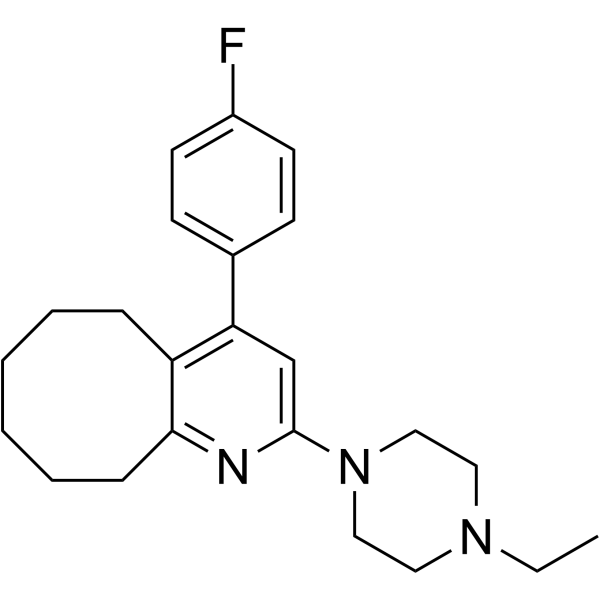 0 ImagesSynonyms: AD-5423Blonanserin (AD-5423) is a potent and orally active 5-HT2A (Ki=0.812 nM) and dopamine D2 receptor (Ki =0.142 nM) antagonist. Blonanserin is usually acts as an atypical antipsychotic agent and can be used for the research of extrapyramidal symptoms, excessive sedation, or hypotension.
-
L-745870
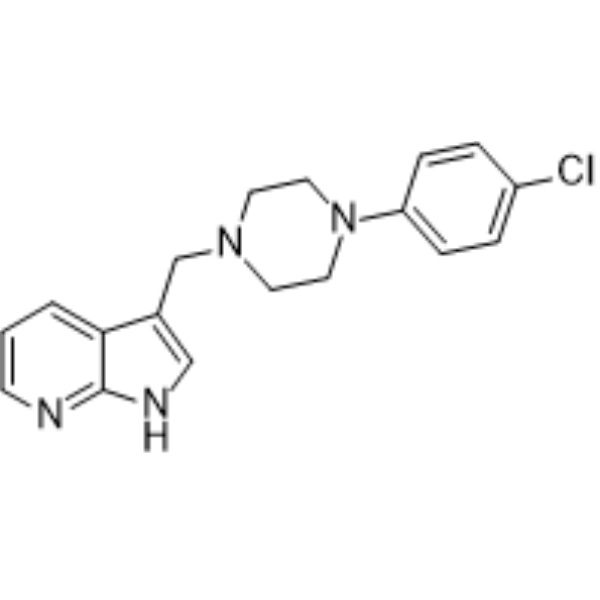 0 ImagesL-745870 is a potent, selective, brain-penetrant and orally active dopamine D4 receptor antagonist with a Ki of 0.43 nM. L-745870 shows weaker affinity for D2 (Ki of 960 nM) and D3 (Ki of 2300 nM) receptors, and exhibits moderate affinity for 5-HT2 receptors, sigma sites and α-adrenoceptors.